

The Complete Guide to Choosing a Dry Hire Venue
When it comes to corporate events, conferences, product launches, awards dinners, exhibitions and brand experiences, a dry hire venue offers something many traditional venues cannot: complete creative freedom.
Unlike hotels or all-inclusive event spaces, dry hire venues provide the blank canvas. You hire the space itself and then bring in your own caterers, production teams, furniture, entertainment and suppliers.
For some events, this flexibility is invaluable. For others, it can create additional complexity if you’re not prepared.
This guide explains everything you need to consider before selecting a dry hire venue and how to avoid common mistakes.
What is a Dry Hire Venue?
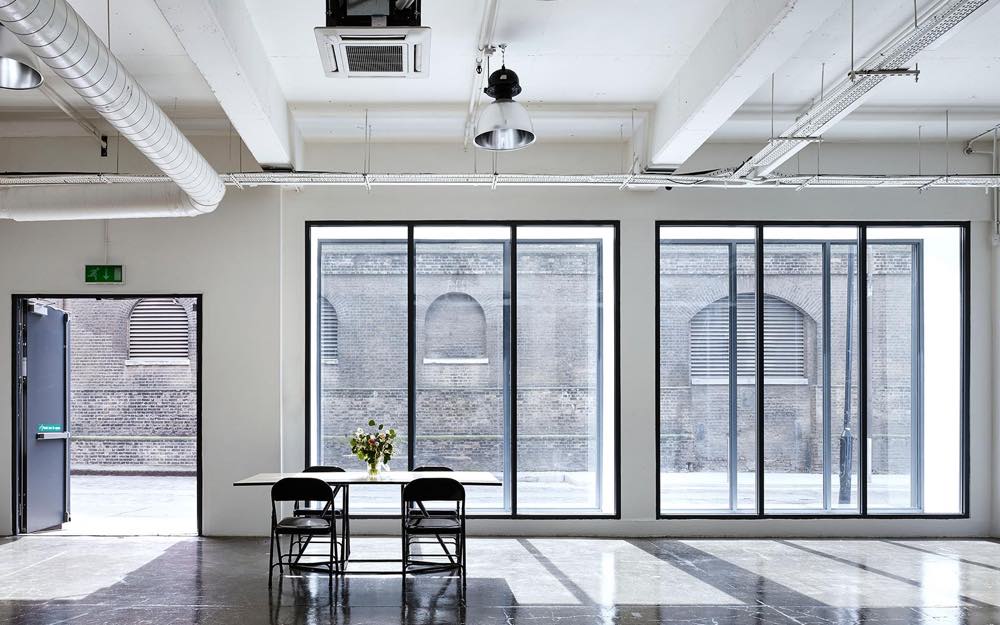
A dry hire venue is essentially an empty event space available for exclusive use.
The venue typically provides:
- The physical space
- Basic utilities (power, water, heating)
- Access times
- Essential facilities
You then arrange everything else separately, including:
- Catering
- Furniture
- AV and production
- Staging
- Lighting
- Entertainment
- Staffing
- Branding and décor
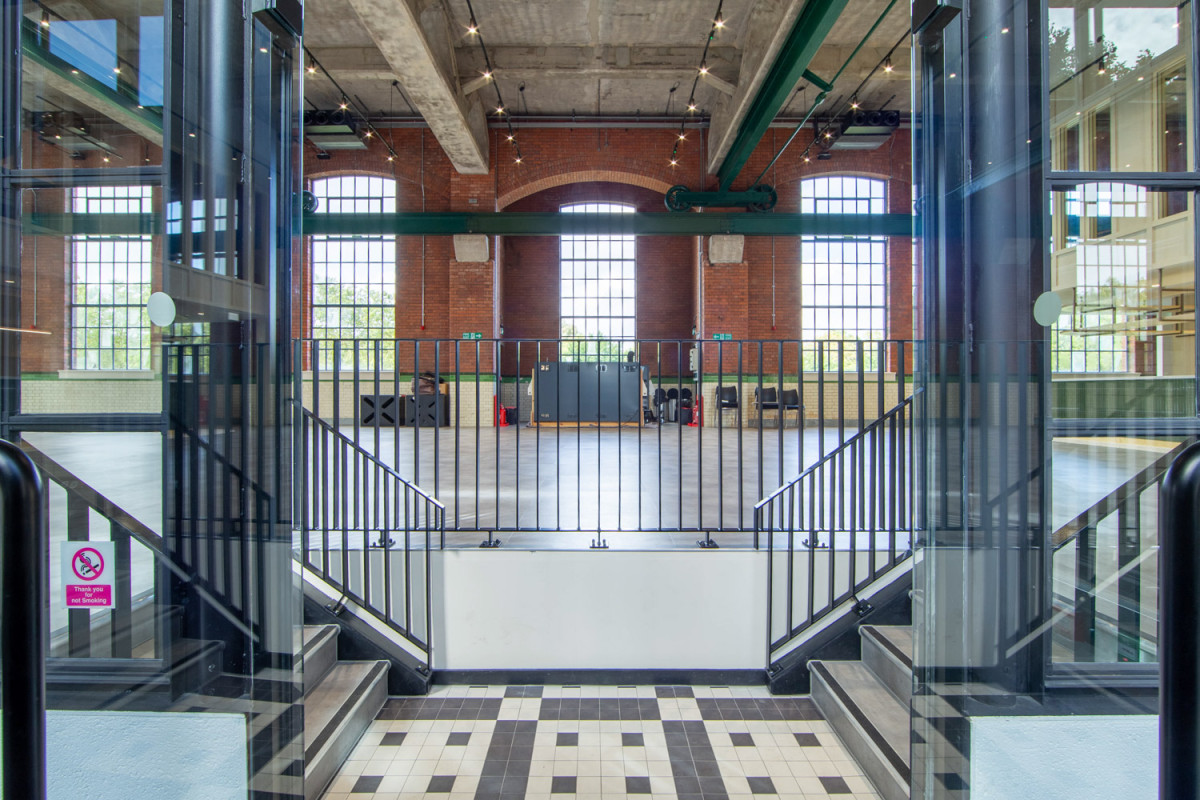
Popular dry hire venues include warehouses, galleries, industrial spaces, historic buildings, studios, exhibition halls and unique event venues.
Why Choose a Dry Hire Venue?
Dry hire venues are often chosen because they offer:
Complete Creative Control
You’re not restricted by a venue’s preferred suppliers, standard layouts or fixed packages.
Whether you’re creating a branded conference, immersive product launch or themed corporate party, you can build the event exactly as you envision it.
Greater Brand Impact
Marketing and brand teams often favour dry hire spaces because every element can be customised.
From entrance experiences and signage to catering concepts and room design, every touchpoint can reflect the brand.
Flexibility for Larger Events
Many large-scale conferences, exhibitions and experiential events require production specifications that hotels simply cannot accommodate.
Dry hire venues often provide:
- Higher ceilings
- Larger floorplates
- Greater rigging capabilities
- Vehicle access
- Larger loading areas
Potential Cost Savings
For larger events, dry hire can sometimes prove more economical than paying venue package rates.
However, this depends entirely on the event requirements and supplier costs.

Key Factors to Consider When Choosing a Dry Hire Venue
1. Accessibility and Location
The most creative venue in the world won’t succeed if guests struggle to reach it.
Consider:
- Distance from public transport
- Parking availability
- Travel times for attendees
- Accessibility requirements
- Nearby hotels
- Airport connections for international guests
Always think from the attendee’s perspective rather than simply choosing a venue that looks impressive.
2. Capacity and Layout Flexibility
Venue capacities can be misleading.
A venue may hold:
- 500 standing guests
- 250 theatre style
- 180 cabaret
- 120 dinner dance
Before shortlisting, determine:
- Your preferred event format
- Stage requirements
- Breakout spaces
- Registration areas
- Exhibition zones
- Networking areas
Request floorplans and test the flow of the event from arrival through to departure.
3. Technical Infrastructure
One of the biggest mistakes planners make is assuming a dry hire venue is event-ready.
Ask:
- How much power is available?
- Is three-phase power available?
- Is there reliable Wi-Fi?
- What internet speeds are achievable?
- Are there built-in screens?
- Is there existing lighting infrastructure?
- Are rigging points available?
Production costs can increase significantly if additional infrastructure is required.
4. Loading Access
This is often overlooked until it’s too late.
Check:
- Loading bay access
- Vehicle restrictions
- Lift capacities
- Access routes
- Build and breakdown times
- Overnight storage options
If you’re bringing in staging, exhibition stands or large scenic elements, loading logistics become critical.
5. Venue Restrictions
Every venue has rules.
Common restrictions include:
- Noise limits
- Curfews
- Pyrotechnics restrictions
- Candles and naked flames
- Ceiling rigging limitations
- Branding restrictions
- External supplier requirements
Always request a full list of venue regulations before committing.
6. Catering Flexibility
Dry hire venues often allow external caterers, but not always.
Ask:
- Are there approved caterer lists?
- Is there a catering kitchen?
- Is there prep space?
- What refrigeration is available?
- Are alcohol licences included?
Food and beverage logistics can have a major impact on guest experience.
7. Sustainability Credentials
Increasingly, corporate clients are looking for venues that support ESG and sustainability goals.
Consider:
- Public transport links
- Renewable energy use
- Waste management policies
- Sustainable catering options
- Carbon reporting capabilities
Many organisations now include sustainability criteria within their venue selection process.
8. Health and Safety
A dry hire venue means more responsibility sits with the organiser.
Check:
- Fire evacuation procedures
- Accessibility compliance
- Risk assessment requirements
- Security provisions
- First aid facilities
- Public liability requirements
The more complex the event, the more important these considerations become.
9. Build and Breakdown Time
A venue may appear affordable initially, but costs can increase if access times are limited.
Ask:
- What time can suppliers access the venue?
- Is overnight build possible?
- Can equipment remain onsite?
- Are additional access days chargeable?
Longer access periods often reduce production stress and supplier costs.
10. Budget Beyond Venue Hire
The venue hire fee is only part of the overall cost.
Additional expenses often include:
- Furniture hire
- AV production
- Lighting
- Power distribution
- Security
- Cleaning
- Waste removal
- Internet upgrades
- Staffing
- Signage
- Temporary structures
A venue that appears inexpensive can become costly once all operational requirements are added.
Questions to Ask Before Booking
Before making a final decision, ask:
✓ Is the venue available on all required dates?
✓ What is included within the hire fee?
✓ Are there any mandatory suppliers?
✓ What are the access times?
✓ Are there any hidden charges?
✓ Is technical support available onsite?
✓ What insurance requirements apply?
✓ What are the cancellation terms?
✓ Can we conduct a site visit?
✓ Has the venue hosted similar events before?
Is a Dry Hire Venue Right for Your Event?
Dry hire venues are ideal for:
- Product launches
- Brand activations
- Conferences
- Exhibitions
- Awards dinners
- Corporate parties
- Fashion events
- Experiential marketing campaigns
- Film and photography shoots
However, for smaller meetings or straightforward conferences, an all-inclusive venue may offer a simpler and more cost-effective solution.
The key is understanding your event objectives before choosing the venue type.
How Function Fixers Can Help
With over 35 years of venue-finding experience, Function Fixers helps organisations identify the right dry hire venues across London, the UK and Europe.
We take the time to understand your event brief, budget, production requirements and delegate profile before presenting carefully selected venue options. We can also advise on practical considerations such as access, logistics, supplier flexibility and hidden costs that may not be immediately obvious during the search process.
Our venue-finding service is completely free, saving you valuable time while ensuring you find a space that delivers both operationally and creatively.
Whether you’re planning a conference, exhibition, product launch, awards ceremony or corporate celebration, we can help you find the perfect blank canvas venue.